Paris Mystical and Dragons Walking Tour
There is a hidden Paris that exists, beneath its feet, in the symbolism of its architecture and a more subtler realm that can not be seen by the two eyes.
We will explore Paris through its Sites of pilgrimage, Ley lines, Sacred waters, Ancient Mounds, Mythical symbols and Astrology, and uncover the threads that weave together its many settlers and invaders since the prehistoric times of the Druids to the Knights of the Templar and the present day.
You will find it an eye opening experience
Paris, Mother of Dragons: Ley lines, Symbols, Knights Templar, Symbols and Alchemy
Walk through Paris as if you’re reading a coded epic in stone, water and starlight rather than just ticking off landmarks. This tour reveals a hidden Paris running beneath the familiar postcard city – a network of pilgrimage routes, ley lines, sacred springs and astrological alignments that have drawn druids, monks, knights, revolutionaries and mystics to the same ground for millennia. From the outskirts at Noisy-le-Grand to the spine of the Seine, you follow a thread of dragons, saints, angels and zodiac signs woven into churches, fountains, towers and formal gardens.
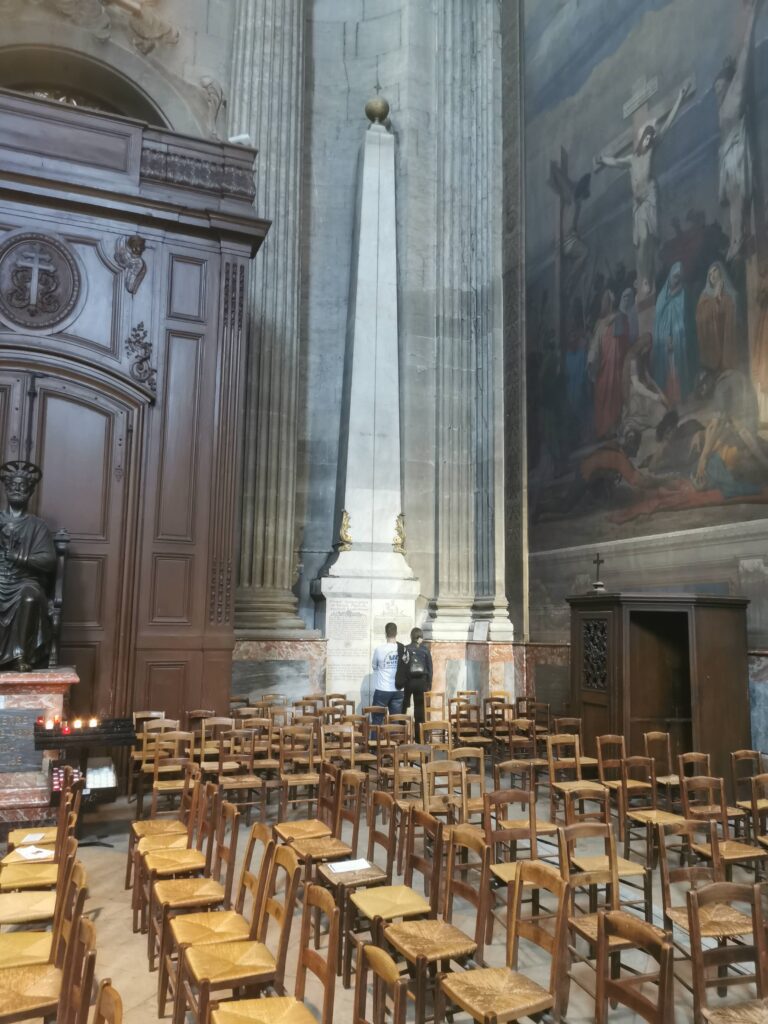
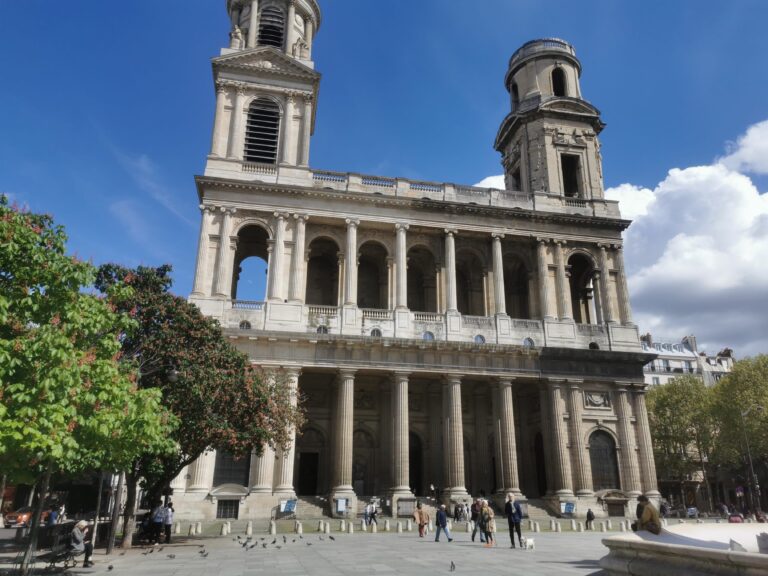
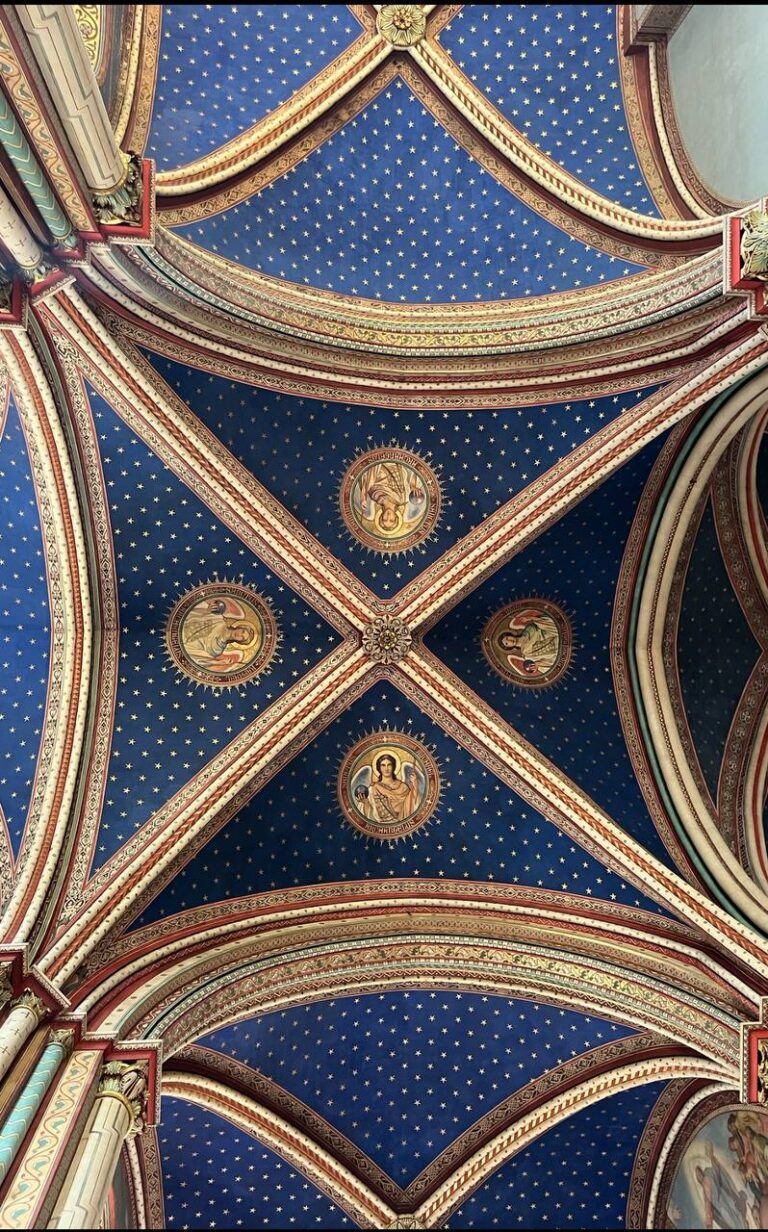
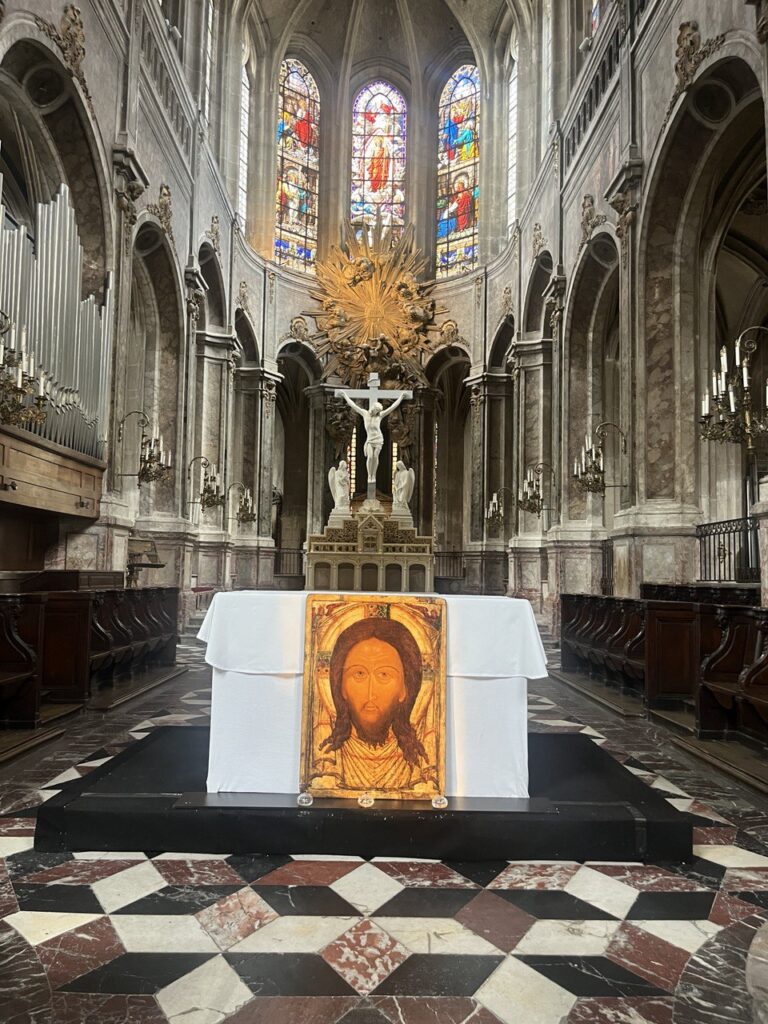
Your journey begins away from the tourist core at Église Saint‑Sulpice and Notre‑Dame in Noisy‑le‑Grand, where parish life and quiet devotion sit on older layers of rural and monastic landscape. Then you step into the Saint‑Germain‑des‑Prés quarter, once a powerful abbey complex and now a chic, café‑lined neighbourhood, to feel how the energy of a medieval pilgrimage site has been repackaged for a literary, bohemian age. In this district of philosophers and jazz clubs, you learn to read church towers, street names and old stone as markers of a much older sacred topography.
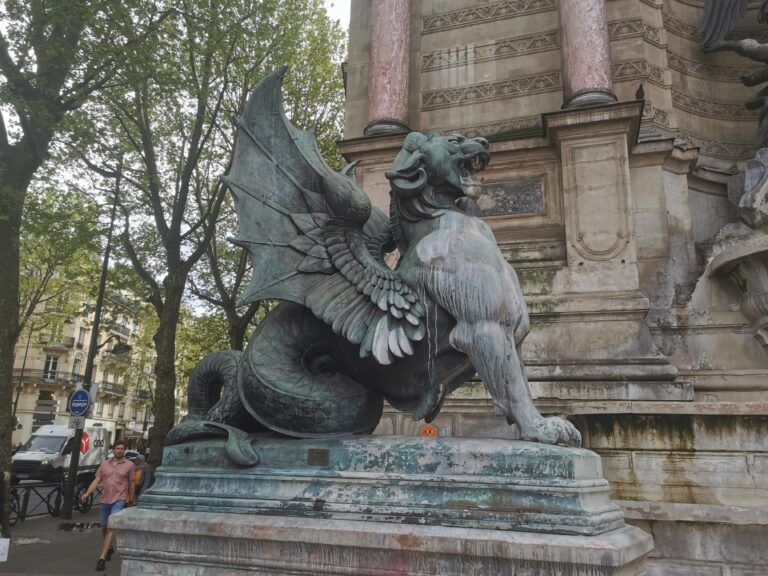
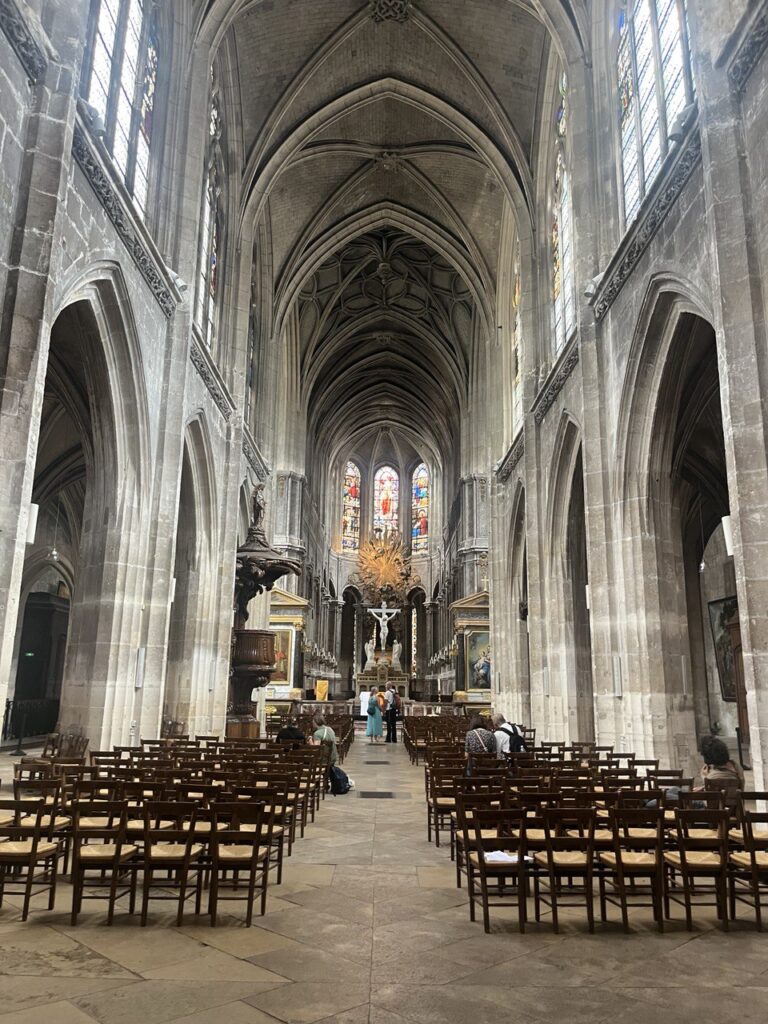
Crossing into the Latin Quarter, the tour turns to water and dragons. At Fontaine Saint‑Michel, St Michael’s victory over the dragon echoes ancient stories of chaos, rivers and underworld forces being harnessed and contained, right where the old roads and currents converge. A short walk away, the dark, intimate interior of Église Saint‑Séverin invites you to slow down and notice details: spiral columns, stained glass and grotesques that preserve pre‑Christian symbols in Christian guise. Outside, the winding medieval streets remind you that the city’s current grid sits over a far older, more organic pattern.
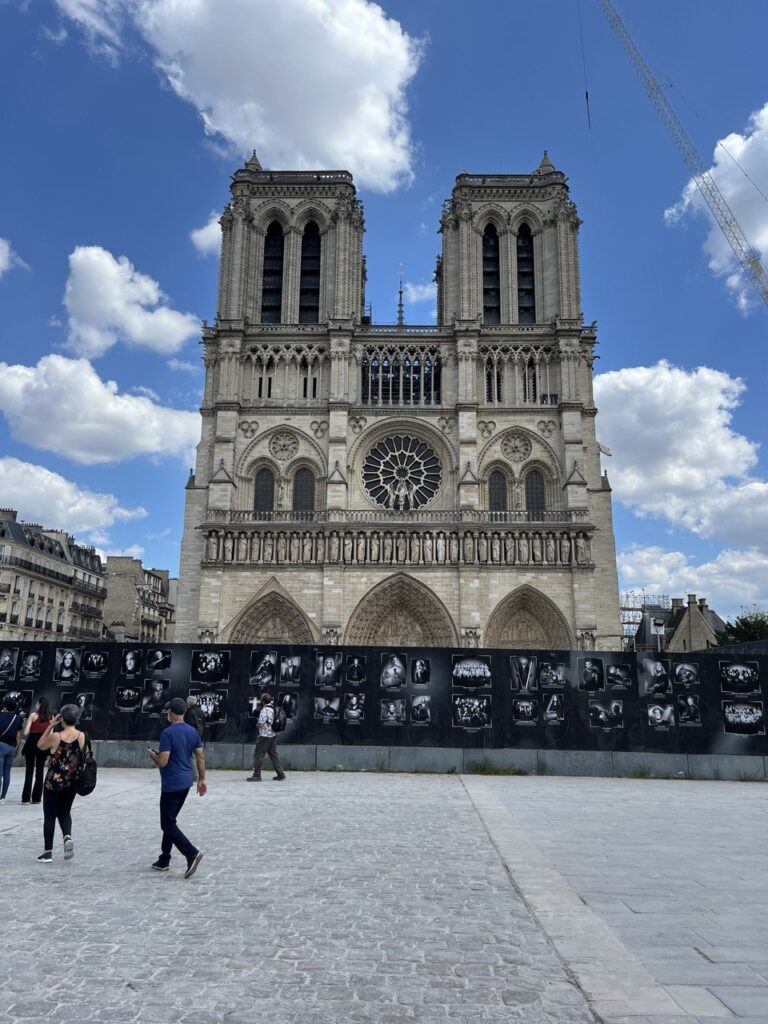
Approaching Notre‑Dame, you stand at the symbolic heart of Paris, on an island that has been a ritual and power centre since the days of the Parisii tribe. Here the great west façade becomes a page of stone astrology: zodiac signs, bestiary creatures and alchemical motifs crowd around kings and saints. You’re invited to see the cathedral not just as a masterpiece of Gothic engineering, but as a cosmic diagram – a place where builders anchored the city to the heavens through geometry, orientation and light. Even with ongoing restoration, its towers, portals and surrounding square still radiate this layered intent.
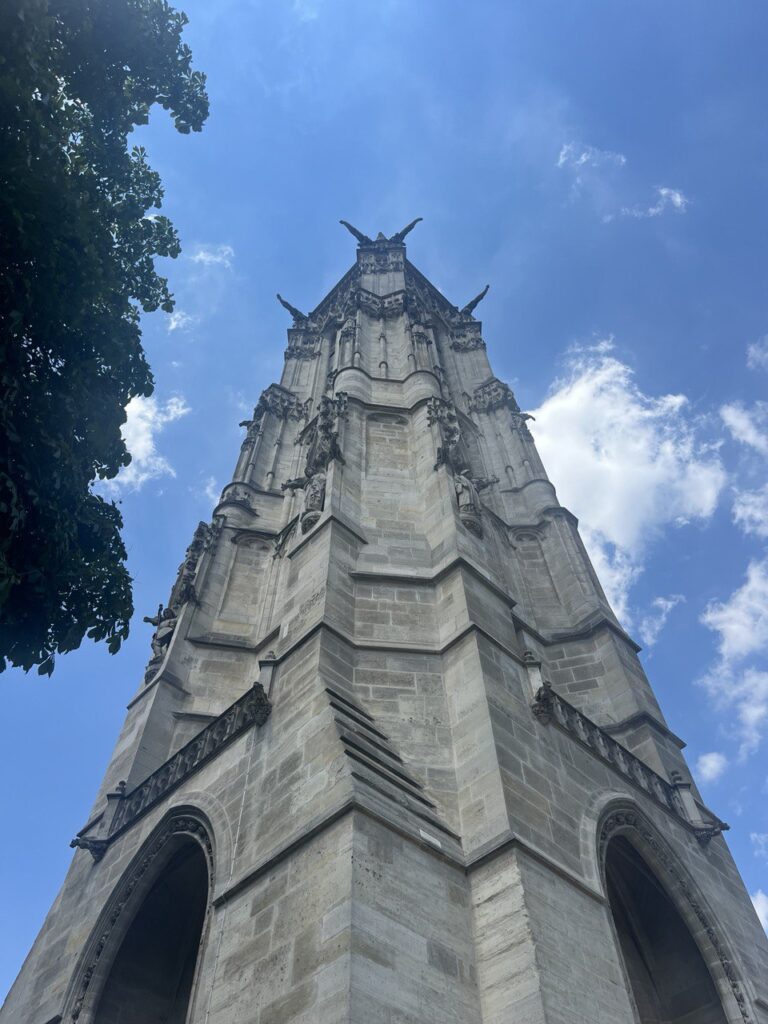
From Place du Châtelet to Square de la Tour Saint‑Jacques, the emphasis shifts to vanished fortresses and surviving fragments. You trace the memory of prisons, royal strongholds and execution grounds now softened into open plazas and leafy squares. At the base of the Flamboyant‑Gothic Saint‑Jacques tower, once part of a pilgrimage church on the route to Santiago de Compostela, you explore how ancient mounds, waystations and relics were re‑inscribed into Christian pilgrimage and then into the secular city we see today. Here, alignment lines between churches, river crossings and old market streets start to come into focus.
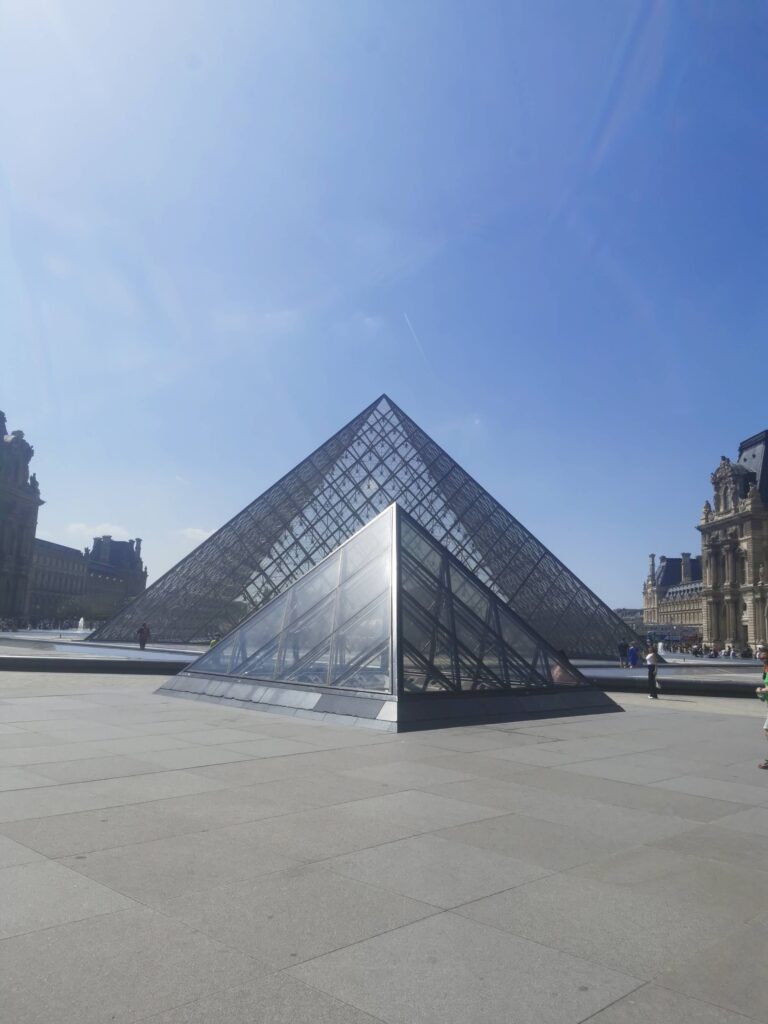
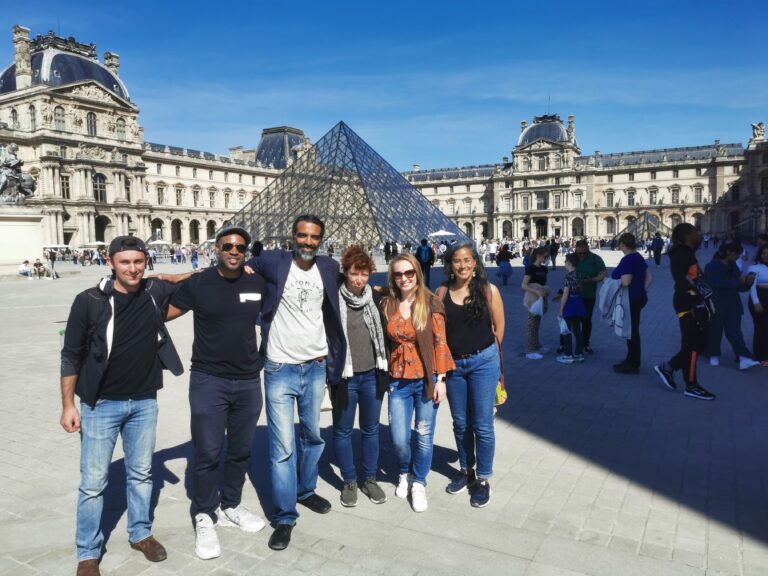
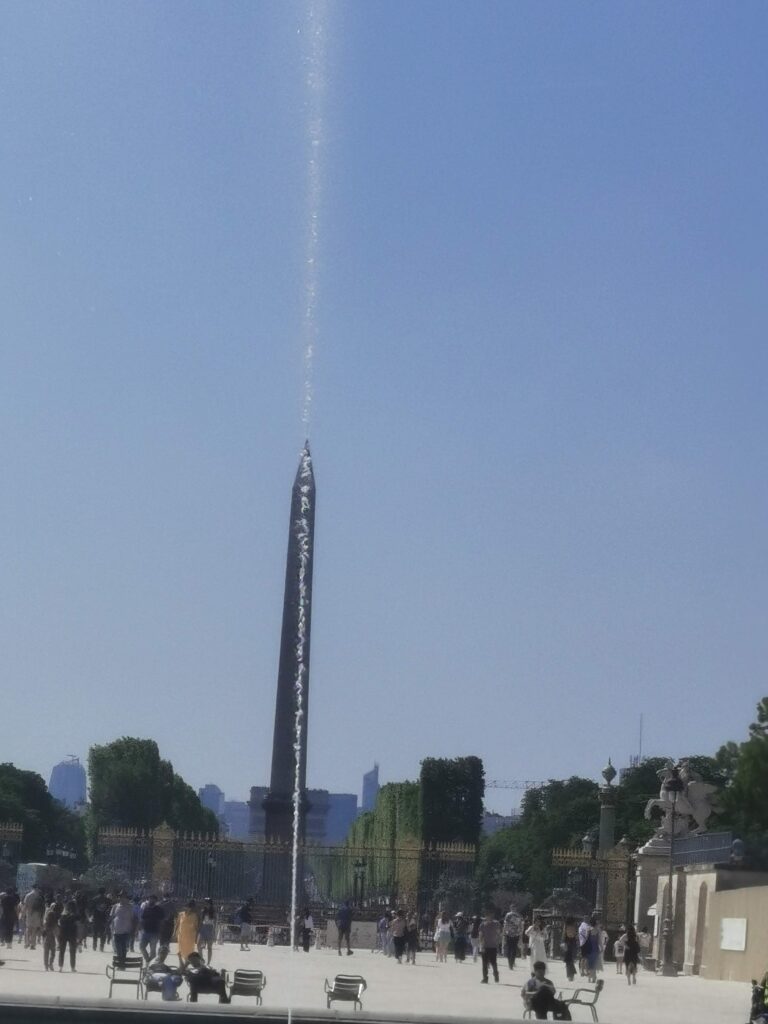
The tour then threads you through the Louvre and the Tuileries – not as just a museum and a pretty garden, but as a ceremonial axis laid over an older landscape. At the Louvre’s courtyards and glass pyramid you consider royal power, Masonic symbolism and the transformation of a fortress into a “temple of art”. In the Jardin des Tuileries, formal alleys, pools and statues map out solar and seasonal patterns, turning a former tile‑makers’ quarter and royal pleasure ground into a ritual walkway between the palace and Place de la Concorde, where the Egyptian obelisk ties Paris back to Nile cosmology.
Throughout, the commentary keeps looping back to your core theme: Paris as a living palimpsest where druidic groves, Roman shrines, medieval necropolises, Templar properties, baroque processions and Haussmann’s boulevards all leave traces in the same few square kilometres. You look at dragon reliefs, saintly dedications, street names and alignments of towers not as random decoration, but as part of a long‑running conversation about power, protection, sacrifice and destiny. By the end of the walk, it feels as if a third eye has opened on the city: the familiar postcard Paris is still there, but now you also see the invisible network of symbols, currents and stories that has guided its evolution from prehistoric mound to modern metropolis.
- Église Saint-Sulpice et Notre-Dame (Noisy-le-Grand) | Entrance - Free / Included
- Saint-Germain-des-Prés Quarter | Entrance - Free / Included
- Fontaine Saint-Michel | Outside visit
- Église Saint-Séverin | Outside visit
- Place du Châtelet | Outside visit
- Square de la Tour Saint-Jacques | Outside visit
- Louvre Museum (Axis of Power) | Outside visit
- Jardin des Tuileries | Outside visit